Building a new home or planning a major renovation is exciting, but let’s be honest, it can also be incredibly overwhelming. You are bombarded with choices from the moment you sign the contract. From floor coverings to tapware, every decision feels critical. But the most important choice you will make happens before the slab is even poured: choosing the “bones” of your house.
For generations, Australian homes were built almost exclusively with timber. It was the default option, and nobody really questioned it. But the industry has shifted. Drive through any new estate in Melbourne today, and you will see a silver revolution taking place. Steel wall frames are rapidly gaining popularity for modern builds, offering a level of precision that wood simply can’t match.
But is it all hype? You might be asking if steel is too expensive or if it’s difficult for tradespeople to work with. You want to know if the investment pays off in the long run.
In this post, we are going to cut through the noise. We will look at the pros and cons, the cost factors, and help you decide if steel wall frames are the right choice for your dream home.
What Are Steel Wall Frames?
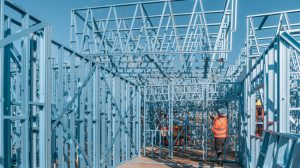
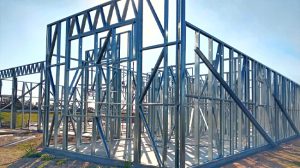
Before we get into the benefits, let’s define what we are talking about. When we refer to steel wall frames, we aren’t talking about the heavy, red structural beams you see in skyscrapers. We are talking about Light Gauge Steel (LGS).
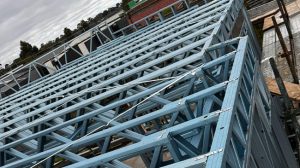
These are structural skeletons made from thin, cold-formed steel. Unlike timber, which is cut to length on-site (often leading to waste and inaccuracies), steel frames are precision-manufactured off-site.
Companies like Nextgen Steel Frames use advanced 3D modelling software to design the entire frame structure down to the millimetre. The frames are then roll-formed and assembled in a factory before being delivered to your site. This means steel wall framing is becoming the standard for residential projects that require high precision and speed.
The Major Pros (Benefits) of Steel Wall Framing
Why are so many builders and homeowners making the switch? It usually comes down to three main factors: longevity, protection, and speed.
Durability and Longevity
Wood is a natural material, which means it behaves like one. It shrinks, warps, twists, and bows as the humidity changes. Over time, this movement can lead to cracked plaster, jamming doors, and wavy rooflines. Benefits of steel wall framing include the fact that steel is an inorganic material. It stays straight and true for the life of the building. This ensures your walls remain perfectly flat and your finishes look pristine for decades.
Termite and Fire Resistance
This is a massive selling point for Australian homeowners. Termites cause millions of dollars in damage every year, and standard timber frames require regular chemical treatments to keep them safe. Steel is 100% termite-proof. Termites simply cannot eat it. Furthermore, steel is non-combustible. In a country prone to bushfires, having a non-combustible frame offers priceless peace of mind.
Speed of Construction
Time is money. Because the frames are pre-fabricated, they arrive on-site ready to stand. There is no measuring and cutting timber in the mud. A team can often get the skeleton of a house up significantly faster than traditional methods, which helps move the project along to the lock-up stage much quicker.
The Potential Cons (and Myths) of Steel Wall Frames
No building material is perfect, and it is important to look at the other side of the coin.
The Cost Factor of Steel Wall Frames
Let’s address the elephant in the room: the cost of steel framing. Historically, steel has been viewed as the more expensive option compared to timber. If you look strictly at the material price list, steel can sometimes be higher upfront.
However, you have to look at the total cost of the build. The speed of installation reduces on-site labour costs. The precision reduces waste (you aren’t paying for offcuts that go in the bin). Plus, you save money over the life of the home by eliminating termite inspections and structural repairs. When you factor all this in, steel frame construction is often comparable in price to a quality timber build.
Thermal Bridging in Steel Stud Walls
A common critique is that steel conducts heat, potentially leading to “thermal bridging” where heat transfers through the frame. While this is scientifically true, it is rarely an issue in modern homes. Steel stud walls are constructed with thermal breaks and quality insulation batts that isolate the frame from the cladding. This effectively stops the heat transfer, keeping your home energy efficient.
On-Site Adjustments
Timber is easy to hack at with a saw if a wall needs moving. Steel is more precise. While this is a pro for quality, it means you need to get the design right during the engineering phase. On-site alterations are possible, but they require specific tools and know-how.
Is Steel Frame Construction Right for Your Project?
Is steel strictly better? It depends on what you are building. Steel frame construction shines in modern architectural designs. If you want large open-plan living areas, floor-to-ceiling windows, or a double-storey home, steel provides the structural integrity needed to support those loads without bulky support columns.
Furthermore, if you are an eco-conscious builder, the durability of steel frames combined with their recyclability makes them a fantastic choice. Steel framing produces minimal site waste, keeping your project cleaner and greener.
Making the Right Choice with Nextgen Steel Frames
Deciding on your frames is a big deal, but the benefits of consistency, strength, and termite protection make steel wall frames a worthy investment for modern Australian homes.
If you are looking for a partner in this process, Nextgen Steel Frames are your trusted specialists in Melbourne. We don’t just sell you a product; we offer an end-to-end service. From the initial 3D planning and engineering certification right through to manufacturing and installation, we handle it all. We ensure your project meets Australian Standards and stays on schedule.
Whether you are building a townhouse, a family home, or a commercial space, we have the expertise to get the bones of your building right.
Ready to build with confidence? Contact Nextgen Steel Frames today for a quote or to discuss your project plans.
FAQs
Are steel wall frames noisy when the temperature changes?
This is the most common myth we hear. People assume a steel home will creak and groan like an old tin shed. The reality is that modern installation methods, secure fastening, and plasterboard lining virtually eliminate thermal movement noise. A properly built steel home is just as quiet as a timber one.
Is steel frame construction more expensive than timber?
The cost of steel framing can be higher regarding raw materials, but it balances out. When you consider the faster installation times (saving on labour), zero waste, and lower long-term maintenance (no termite sprays needed), the costs are very competitive with timber.
Can I use steel wall framing for renovations?
Absolutely. Steel wall framing is lightweight and versatile, making it excellent for extensions or adding a second storey. However, because it needs to match existing structures, you need a specialist manufacturer like Nextgen Steel Frames to ensure the new frames align perfectly with the old house.
How does the durability of steel frames compare to treated pine?
The durability of steel frames is superior because steel is inorganic. Treated pine can still warp, bow, and weaken over decades, and chemical treatments can fade. Steel will not rot, shrink, or succumb to pests, maintaining its structural integrity indefinitely.